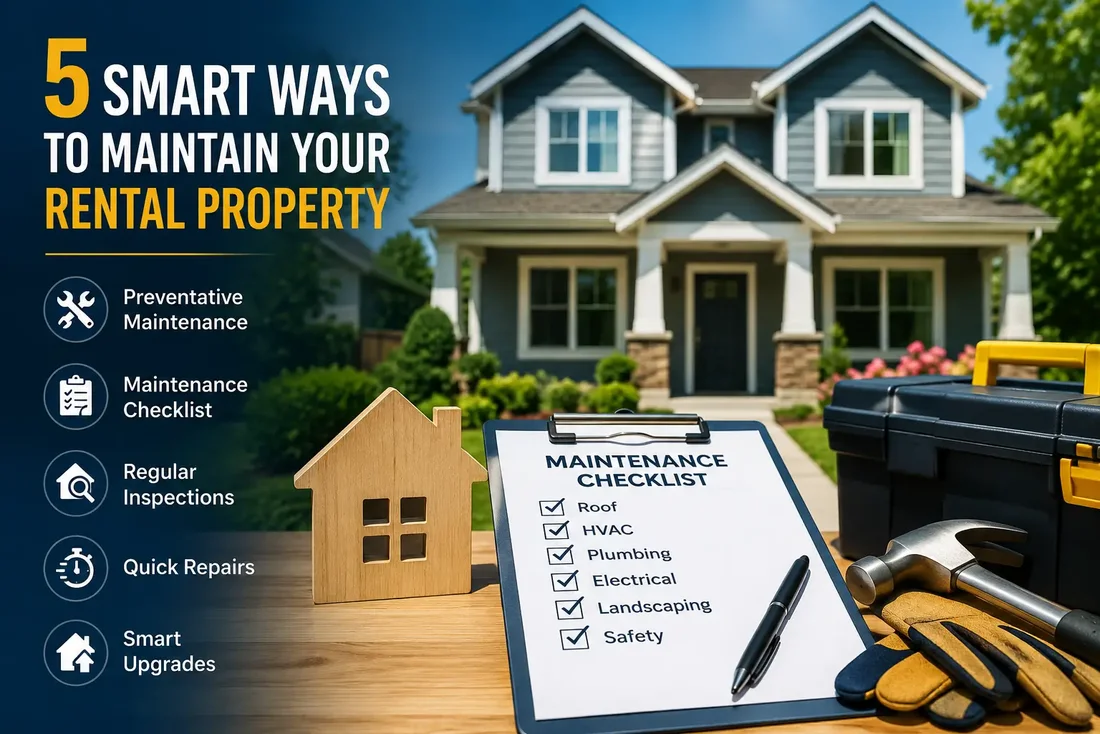
Owning a rental property can be a great long-term investment, but only if the property is properly maintained. Many landlords focus heavily on collecting rent and filling vacancies, but the real secret to protecting profits is consistent rental property maintenance.A well-maintained property attracts better tenants, reduces costly surprises, and helps preserve rental property value over time. On the other hand, neglected maintenance can quickly turn into expensive repairs, unhappy tenants, and major financial stress.The good news is maintaining a rental property does not have to feel overwhelming. Small, consistent actions throughout the year can make a massive difference. The landlords who succeed long term are usually the ones who stay proactive instead of waiting for problems to explode.If you want to maintain your rental property properly and avoid unnecessary expenses, here are five smart strategies every property owner should follow.
1. Stay ahead with preventative maintenance.
One of the
smartest landlord maintenance tips is simple: fix small problems before they become expensive disasters.Preventative maintenance for rental properties is all about staying ahead of issues instead of reacting to emergencies. A tiny leak today can become major water damage six months later. A clogged gutter might not seem urgent until it causes roof damage or foundation problems.The goal is prevention.Regular preventative maintenance helps protect rental property value while reducing stress for both landlords and tenants.
Focus on Seasonal Maintenance
Each season creates different challenges for a property.During spring and summer:
- Inspect the roof for damage
- Clean gutters and downspouts
- Service air conditioning systems
- Check exterior paint and siding
- Trim trees and landscaping
During fall and winter:
- Inspect heating systems
- Winterize outdoor faucets
- Check insulation
- Seal windows and doors
- Monitor for frozen pipes
Ignoring these small tasks often leads to
major rental property repairs later.
Do Regular HVAC Maintenance.
HVAC systems are expensive to replace. Regular servicing helps extend the lifespan of heating and cooling equipment while improving efficiency.Simple tasks include:
- Replacing air filters
- Cleaning vents
- Scheduling annual servicing
- Checking thermostats
A neglected HVAC system usually becomes an emergency at the worst possible time. Nobody wants a furnace failure during winter or an AC breakdown during a heat wave.
Watch for Water Problems
Water damage is one of the biggest threats to
rental property value.Inspect areas around:
- Toilets
- Sinks
- Water heaters
- Roof flashing
- Windows
- Basements
Even minor moisture can lead to mold, structural damage, and expensive repairs. Many landlords lose thousands simply because they ignored a small leak.
Prioritize Safety
Rental property maintenance is not only about appearance. Safety matters just as much.Regularly:
- Test smoke detectors
- Check carbon monoxide detectors
- Inspect electrical outlets
- Replace damaged handrails
- Check exterior lighting
Tenants notice when a landlord cares about safety. It builds trust and helps encourage lease renewals.Preventative maintenance for rental properties may seem like extra work upfront, but it saves massive amounts of money over time.
2. Create a Consistent Property Maintenance Checklist.
The biggest maintenance mistake landlords make is relying on memory.That approach usually ends with forgotten inspections, delayed repairs, and expensive problems. A structured property maintenance checklist keeps everything organized and easier to manage.The best landlords treat maintenance like a system, not a random task.
Why a Maintenance Checklist Matters
A checklist helps:
- Keep maintenance consistent
- Reduce missed tasks
- Protect rental property value
- Improve tenant satisfaction
- Prevent emergency repairs
It also makes property management maintenance far less stressful.Instead of wondering what needs attention, you already have a roadmap.
Monthly Maintenance Tasks
Monthly tasks are usually quick but extremely important.A monthly checklist may include:
- Testing smoke detectors
- Replacing HVAC filters
- Inspecting plumbing for leaks
- Checking exterior lighting
- Looking for pest issues
- Cleaning common areas
- Inspecting locks and security systems
These small checks help identify problems early before they become major rental property repairs.
Quarterly Maintenance Tasks
Every few months, landlords should complete deeper inspections.Quarterly tasks may include:
- Cleaning gutters
- Inspecting roofing
- Flushing water heaters
- Checking appliances
- Inspecting caulking and seals
- Reviewing landscaping drainage
Quarterly maintenance helps maintain your rental property while
preventing gradual deterioration.
Annual Maintenance Tasks
Annual tasks focus on bigger-picture property protection.These include:
- Professional HVAC servicing
- Roof inspections
- Deep carpet cleaning
- Exterior painting touch-ups
- Driveway inspections
- Plumbing inspections
- Reviewing insurance coverage
Annual inspections are especially important for protecting property value long-term.
Keep Maintenance Records
Documentation matters more than most landlords realize.Track:
- Inspection dates
- Repair costs
- Contractor invoices
- Appliance replacements
- Tenant complaints
- Maintenance schedules
Good records help with budgeting, taxes, insurance claims, and future resale value.They also protect landlords during disputes.A consistent property maintenance checklist turns rental property maintenance into a predictable system instead of a chaotic guessing game.
3. Schedule Regular Rental Property Inspections.
Some landlords avoid inspections because they do not want to bother tenants. Big mistake.A regular rental property inspection is one of the best ways to protect your investment.Inspections help identify hidden issues before they become expensive disasters. They also help landlords verify tenants are properly caring for the property.
Why Inspections Matter
A rental property inspection can reveal the following:
- Water leaks
- Mold growth
- Unauthorized pets
- Safety hazards
- Structural damage
- Plumbing issues
- Electrical concerns
- Lease violations
Without inspections, these problems can continue for months unnoticed.By the time the tenant moves out, the damage may already be severe.
How Often Should Inspections Happen?
Most landlords schedule the following:
- Move in inspections
- Mid-lease inspections
- Annual inspections
- Move out inspections
Consistency matters.Tenants are more likely to take better care of the property when they know inspections happen regularly.
What to Check During Inspections
A strong inspection process includes both interior and exterior evaluations.Inspect:
- Walls and ceilings
- Flooring condition
- Plumbing fixtures
- Appliances
- Smoke detectors
- Windows and doors
- Roofing and gutters
- Landscaping
- HVAC systems
Take photos and detailed notes during every inspection.This protects both landlords and tenants if disagreements happen later.
Keep communication professional.
Inspections should never feel aggressive or confrontational.Always:
- Give proper notice
- Explain the purpose clearly
- Respect tenant privacy
- Keep communication professional
Most tenants appreciate landlords who actively maintain the property.Good communication also encourages tenants to report issues earlier instead of hiding them.
Inspections Protect Long-Term Value
Regular rental property inspection routines are essential for protecting property value.A property that receives routine inspections typically stays in better condition over time. Problems are caught earlier, repairs cost less, and tenants feel more confident in the property.Think of inspections like routine doctor visits for your investment. Skip them for long enough and eventually something expensive breaks.
4. Respond Quickly to Rental Property Repairs
Nothing frustrates tenants faster than ignored maintenance requests.Delaying rental property repairs often creates bigger problems, larger expenses, and damaged landlord-tenant relationships.Fast response times matter.
Small Problems Become Expensive Fast
A dripping pipe may seem minor today. Ignore it long enough and suddenly you are dealing with the following:
- Water damage
- Mold
- Rotting drywall
- Flooring replacement
- Structural repairs
The same applies to electrical problems, roof leaks, appliance failures, and plumbing issues.Quick action protects rental property value while reducing long-term repair costs.
Tenants Remember Slow Responses
Landlords sometimes underestimate how much maintenance affects tenant retention.When tenants feel ignored:
- Lease renewals drop
- Complaints increase
- Online reviews worsen
- Vacancy rates rise
A tenant who constantly waits weeks for repairs usually starts searching for another place to live.Good tenants are valuable. Keeping them happy saves money.
Build a Reliable Contractor Network
Every landlord should have trusted professionals ready to call.Build relationships with:
- Plumbers
- Electricians
- HVAC technicians
- Roofers
- Handymen
- Pest control companies
Trying to scramble for contractors during emergencies creates delays and higher costs.Reliable vendors are part of smart property management maintenance.
Know When DIY Makes Sense
Some repairs are simple enough for landlords to handle themselves.Examples may include:
- Replacing light fixtures
- Patching small holes
- Painting
- Replacing faucets
- Installing smoke detectors
But some repairs should absolutely be left to professionals.Never gamble with:
- Electrical work
- Gas lines
- Structural repairs
- Roofing
- Major plumbing
Trying to save money with risky DIY work often backfires badly.
Communication Is Everything.
When tenants report issues:
- Respond quickly
- Acknowledge the concern
- Provide timelines
- Keep them updated
Even if repairs take time, communication helps reduce frustration.Silence is usually what creates anger.Fast rental property repairs are not just about fixing problems. They are about protecting relationships, reducing costs, and maintaining trust.
5. Improve the Property Before Problems Appear
The smartest landlords do not just repair properties. They improve them continuously.Waiting until everything falls apart is expensive.Making strategic upgrades over time helps maintain your rental property while increasing rental property value.
Focus on High-Impact Improvements
Not every upgrade needs to be massive.Small improvements often make a huge difference:
- Fresh paint
- Updated lighting
- Modern fixtures
- Better landscaping
- New cabinet hardware
- Improved flooring
- Energy-efficient appliances
These updates improve appearance while helping attract better tenants.
Improve Curb Appeal
First impressions matter more than landlords realize.Tenants notice:
- Landscaping
- Exterior paint
- Driveways
- Walkways
- Outdoor lighting
- Cleanliness
A neglected exterior makes tenants assume the inside is neglected too.Simple curb appeal improvements help protect rental property value while improving marketability.
Upgrade Older Systems Before Failure
Many landlords wait until systems completely fail before replacing them.That strategy creates emergencies.Instead, monitor:
- Water heaters
- HVAC systems
- Roofing
- Appliances
- Plumbing systems
If something is reaching the end of its lifespan, budget for replacement before disaster strikes.This proactive approach prevents stressful emergency situations.
Energy Efficiency Matters
Modern tenants increasingly care about energy costs.
Energy-efficient upgrades may include
- LED lighting
- Smart thermostats
- Better insulation
- Energy-efficient windows
- Low-flow plumbing fixtures
These improvements help reduce utility costs while increasing tenant appeal.
Updated Properties Attract Better Tenants
Properties that look clean, modern, and well maintained typically attract:
- Longer-term tenants
- More responsible renters
- Higher-quality applicants
- Better rental rates
People naturally take better care of homes that feel cared for.Protecting property value is not only about avoiding damage. It is also about keeping the property competitive in the rental market.
Conclusion
Successful landlords understand that rental property maintenance is not optional. It is one of the most important parts of protecting an investment.If you want to maintain your rental property properly, consistency matters more than perfection.The landlords who succeed long-term are usually the ones who:
- Stay proactive
- Follow maintenance schedules
- Complete inspections regularly
- Handle repairs quickly
- Invest in smart upgrades
These habits help reduce emergency expenses, improve tenant retention, and protect rental property value year after year.The truth is simple.Ignoring maintenance usually gets very expensive very fast.But landlords who stay organized and proactive build stronger investments, happier tenants, and more predictable profits over time.A well-maintained rental property is not just easier to manage.It is far more valuable.Keeping up with rental property maintenance is one of the smartest ways to protect your investment, reduce expensive surprises, and maintain strong long-term rental property value. Whether you own one rental home or a growing portfolio, having the right strategy can make a major difference in your success as a property owner.If you are thinking about buying, selling, or investing in Vancouver real estate,
connect with Adam Chahl from the Place Real Estate Team. Adam helps property owners, investors, and buyers make smarter real estate decisions with expert market guidance and local experience.Visit
Vancouver Home Search to explore opportunities, market insights, and investment strategies designed to help you grow and protect your real estate portfolio.
FAQs
What is the most important part of rental property maintenance?
The most important part of rental property maintenance is staying proactive instead of waiting for problems to become emergencies. Preventative maintenance for rental properties helps landlords catch small issues early, reduce costly repairs, improve tenant satisfaction, and protect rental property value long-term.
How often should landlords schedule a rental property inspection?
A rental property inspection should typically happen during move-in, mid-lease, annually, and during move-out. Regular rental property inspection routines help landlords identify hidden damage, monitor property condition, and maintain their rental property before expensive repairs develop.
How does preventative maintenance help protect rental property value?
Preventative maintenance helps protect rental property value by reducing long term wear and tear, preventing structural damage, improving energy efficiency, and keeping major systems functioning properly. Consistent rental property maintenance also helps properties remain attractive to future tenants and buyers.
What should be included in a property maintenance checklist?
A property maintenance checklist should include monthly, quarterly, and annual maintenance tasks. This may involve HVAC servicing, plumbing inspections, roof inspections, smoke detector testing, gutter cleaning, landscaping checks, and tracking rental property repairs to help simplify property management maintenance.
Why is responding quickly to rental property repairs important?
Fast responses to rental property repairs help prevent small issues from becoming larger and more expensive problems. Quick repairs also improve tenant trust, reduce vacancy risks, encourage lease renewals, and help landlords maintain strong rental property value over time.