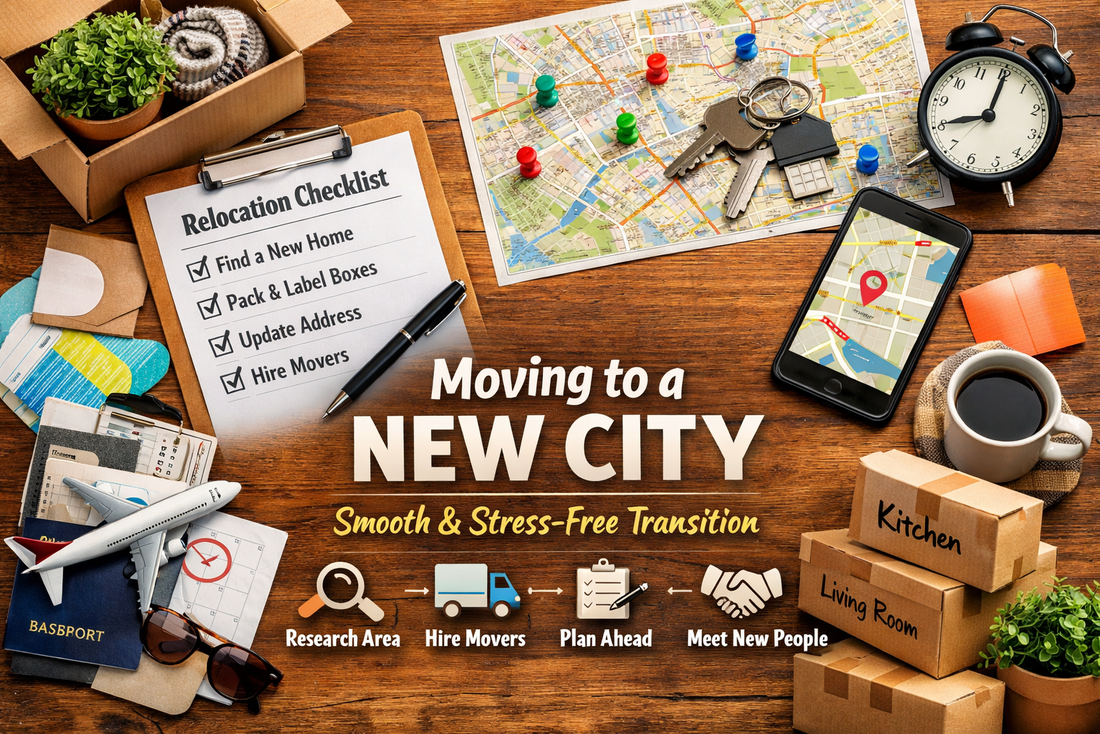
Moving to a new city is a major life step. It often brings excitement, new chances, and a fresh start, but it can also feel overwhelming without the right preparation. Whether you are relocating for work, school, family needs, or personal growth, planning ahead can make all the difference. This new city moving guide is designed to help young professionals, students, families, and retirees understand how to relocate smoothly and avoid unnecessary stress.By focusing on smart planning, organization, and realistic expectations, moving to a new city can be a positive and manageable experience instead of a rushed and exhausting one.
Planning Ahead: Things to Consider Before Moving
Before relocating to a new city, research is one of the most important steps. Understanding where you are going helps you feel confident and prepared. Start by learning about the city’s neighborhoods, daily lifestyle, and general pace of life. If possible, visiting the city ahead of time can give you a clearer picture of what to expect.Some key things to consider before moving include
- Cost of living: Compare housing prices, utilities, groceries, transportation, and taxes with your current city.
- Employment opportunities: Even if you already have a job, it helps to understand the local job market and career options.
- Neighborhood choices: Safety, commute time, nearby schools, parks, and access to services all matter.
- Transportation: Check public transit options and traffic patterns if you plan to drive.
- Healthcare and schools: Families and retirees should review nearby medical facilities and school quality.
Taking time to research these areas helps reduce surprises and allows for better decision-making during the move.
How to Move to a New City With a Clear Plan
Knowing how to move to a new city starts with creating a clear plan. Relocation planning tips often focus on breaking tasks into smaller steps so the process feels manageable.Begin by setting a moving timeline. Ideally, start planning two to three months before your move. This gives you time to organize finances, housing, and logistics without feeling rushed.A written plan can include:
- Moving dates
- Budget estimates
- Housing arrangements
- Transportation plans
- Packing schedule
Having a plan keeps everything on track and prevents last-minute stress.
A Simple Relocation Checklist to Stay Organized
A relocation checklist helps you keep track of tasks and deadlines. It ensures nothing important is forgotten during the move.
Three Months Before Moving
- Research neighborhoods and housing options
- Start decluttering your home
- Request moving quotes or plan a self-move
- Review your budget for moving costs
Two Months Before Moving
- Secure housing in the new city
- Book movers or reserve a rental truck
- Begin packing non-essential items
- Arrange utility transfers
One Month Before Moving
- Change your address with banks and services
- Transfer school and medical records
- Pack most household items
- Confirm moving day details
Moving Week
- Pack an essentials box
- Confirm schedules with movers
- Clean your current home
- Keep documents and valuables with you
Using a checklist helps you stay calm and focused throughout the entire process.
Packing Smart for a Stress-Free Move
Packing is one of the most time-consuming parts of moving to a new city. Starting early makes this step much easier.Begin by sorting through your belongings and removing items you no longer use. Donating or selling unused items reduces clutter and saves space. Fewer items also mean lower moving costs.Helpful packing tips include
- Label boxes clearly by room
- Pack one room at a time
- Protect fragile items carefully
- Keep important documents separate
Prepare an essentials box with items you’ll need right away, such as toiletries, chargers, medications, and a change of clothes. This small step can make your first night in your new home far more comfortable.
Choosing the Right Moving Option
Deciding how your belongings will get to the new city is another important step. Some people prefer hiring professional movers, while others choose to move themselves.Professional movers can save time and effort, especially for large households or
long-distance moves. If you choose this route, compare quotes, check reviews, and confirm insurance coverage.For self-moving, options include renting a truck or using portable storage containers. This can be more affordable, but it requires more physical work and planning.Whichever option you choose, make sure dates, costs, and expectations are clearly confirmed ahead of time.
Moving Day: Staying Calm and Prepared
On moving day, organization is your best tool. Keep essential items close and stay flexible if small delays occur.Key moving day tips:
- Keep important documents with you
- Carry snacks and water
- Double-check all rooms before leaving
- Communicate clearly with movers or helpers
A calm mindset and preparation help moving day go smoothly.
Settling Into Your New City
Once you arrive, the focus shifts to settling in. Start by setting up utilities, updating your address, and registering vehicles if required.Spend time exploring your neighborhood. Find grocery stores, pharmacies, parks, and nearby services. Establishing small routines can make your surroundings feel familiar more quickly.Unpack gradually and prioritize rooms you use most, such as the bedroom and kitchen. Adding personal touches like photos and familiar décor helps your new space feel like home.
Building Connections and Community
One of the biggest challenges of relocating to a new city is building new relationships. It takes time, and that’s completely normal.Ways to meet people include:
- Joining local groups or clubs
- Attending community events
- Volunteering
- Connecting with coworkers or classmates
Consistency helps. Visiting the same places regularly can lead to familiar faces and new friendships. Staying in touch with friends and family from your previous city also provides emotional support during the adjustment period.
Moving to a New City Alone: Extra Tips
Moving to a new city alone can feel especially challenging. Without built-in support, planning becomes even more important.Helpful tips for solo movers:
- Plan early and stick to your timeline
- Downsize belongings to simplify the move
- Hire help for heavy lifting
- Arrange utilities before arrival
- Budget carefully
Living alone can be empowering. With preparation and patience, you can build independence and confidence in your new environment.
Special Considerations for Families, Pets, and Retirees
Families
Families should focus on school options, child-friendly neighborhoods, and maintaining routines. Involving children in the move helps them feel included and supported.
Pets
Pet owners should check housing rules, locate nearby veterinary care, and keep pets comfortable during travel. Familiar items can help pets adjust to their new home.
Retirees
Retirees should consider healthcare access, walkability, and long-term affordability. Social opportunities and community activities can make the transition more enjoyable.
Final Thoughts: How to Relocate Smoothly
Moving to a new city does not have to be chaotic. With careful planning, realistic expectations, and the right moving tips for a new city, the process becomes much easier.By following a clear relocation checklist, researching ahead, and allowing yourself time to adjust, relocating to a new city can be a positive and rewarding experience. Every move marks the start of a new chapter, and with the right approach, your new city can quickly feel like home.If you’re moving to a new city and want expert support that
removes stress from the process, working with the right professional makes all the difference.
Adam Chahl understands what it takes to relocate smoothly, whether you’re a young professional, student, growing family, or retiree. From choosing the right neighborhood to understanding housing options and local trends, Adam Chahl helps simplify every step of relocating to a new city. Reach out today to get clear guidance, local insight, and support that helps you feel confident about your move and your future.
Frequently Asked Questions About Moving to a New City
1. What are the most important things to consider before moving to a new city?
Some of the key things to consider before moving include cost of living, housing availability, job opportunities, transportation, healthcare access, and lifestyle fit. Planning ahead and researching neighborhoods helps ensure that moving to a new city matches your personal and financial goals.
2. How far in advance should I start relocation planning?
Relocation planning tips usually suggest starting at least two to three months before moving. This gives you enough time to create a relocation checklist, secure housing, compare moving services, and manage paperwork without stress. Early planning is one of the best ways to relocate smoothly.
3. What are the best moving tips for a new city?
Some of the most helpful moving tips for a new city include decluttering before packing, labeling boxes clearly, budgeting for hidden costs, and setting up utilities before arrival. Exploring your neighborhood early also helps you settle in faster after relocating to a new city.
4. Is moving to a new city alone harder than moving with others?
Moving to a new city alone can feel more challenging, but it can also be very rewarding. Solo movers should focus on careful planning, budgeting, and building a
support network after arrival. With the right new city moving guide and preparation, moving alone can be a smooth and empowering experience.
5. How do I know if I’m ready to move to a new city?
You may be ready to move to a new city if you’ve researched your destination, created a clear relocation checklist, and understand how the move fits your goals. Knowing how to move to a new city with a plan in place helps reduce uncertainty and makes the transition feel more manageable.